Behavioral studies

Exploring Cerebrovascular Dynamics with Widefield Laser Speckle Contrast Imaging

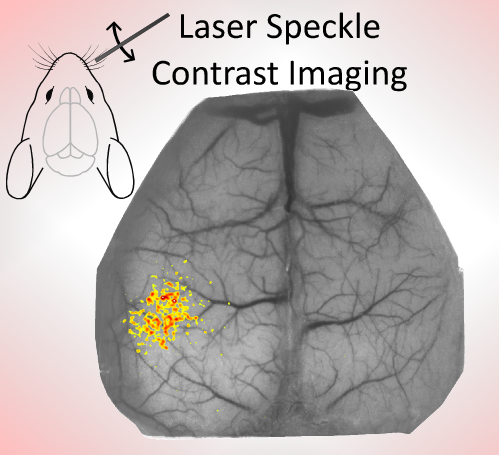
In this blog, we will explore another imaging technique that uses a completely different approach to reveal the vascular structure and blood flow of the brain tissue: laser speckle contrast imaging.
Laser Speckle Contrast Imaging (LSCI) is an imaging technique that enables the detection of particle flow (e.g. red blood cells) in a given medium (e.g. the brain). This technique is based on the interference of such moving particles on the speckle pattern detected by a camera.
The speckle pattern arises from the interaction of a coherent light source (i.e. laser) with the illuminated tissue. The reflected laser light captured by the camera’s sensor has traveled different paths inside the tissue, and the constructive and destructive sum of the light rays creates the random pattern in the image known as the speckle pattern.

Exploring Cerebrovascular Dynamics with Widefield Laser Speckle Contrast Imaging Read More »

Eye Tracking: An Invaluable and Inexpensive Tool in Neuroscience

Eye Tracking: An Invaluable and Inexpensive Tool in Neuroscience

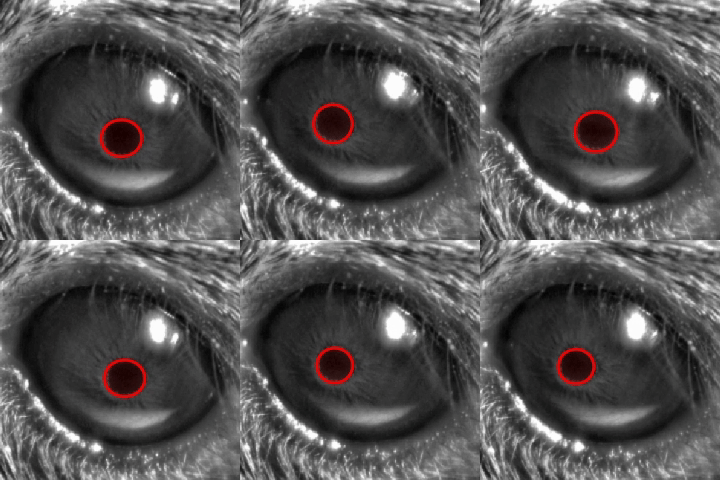
Almost all animals with good eyesight exhibit a range of eye movements. These movements allow animals to compensate for shifts in the visual scene and to follow objects that move within that scene. Eye movements have been studied since the early 1900s (Land 2006), and today, eye tracking is a ubiquitous tool used not only in neuroscience but also in other areas such as marketing (Gheorghe, Purcărea, and Gheorghe 2023). It is a common technology applied in virtual and augmented reality devices (Jin et al. 2024).

Eye Tracking: An Invaluable and Inexpensive Tool in Neuroscience Read More »

Cortical Dynamics in Mouse Behavior using Widefield Calcium Imaging - Part One

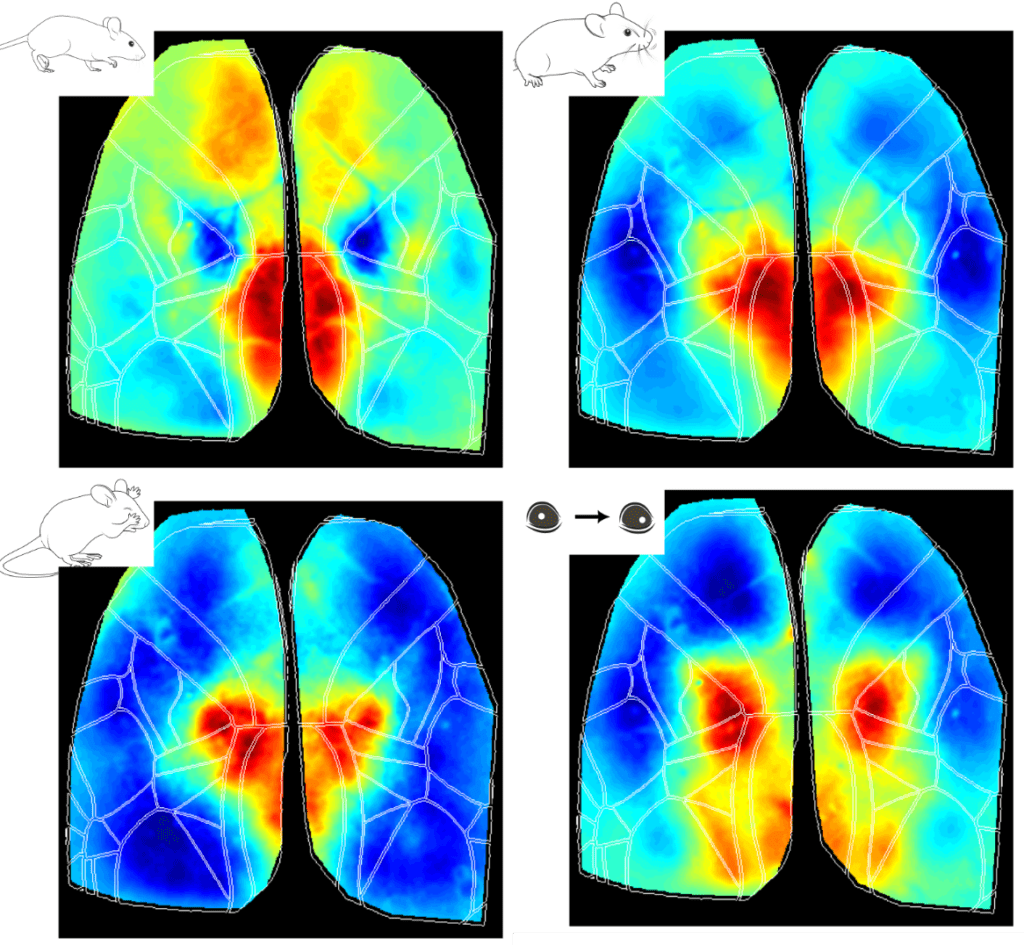
Cortical Dynamics in Mouse Behavior Using Widefield Calcium Imaging – Part One

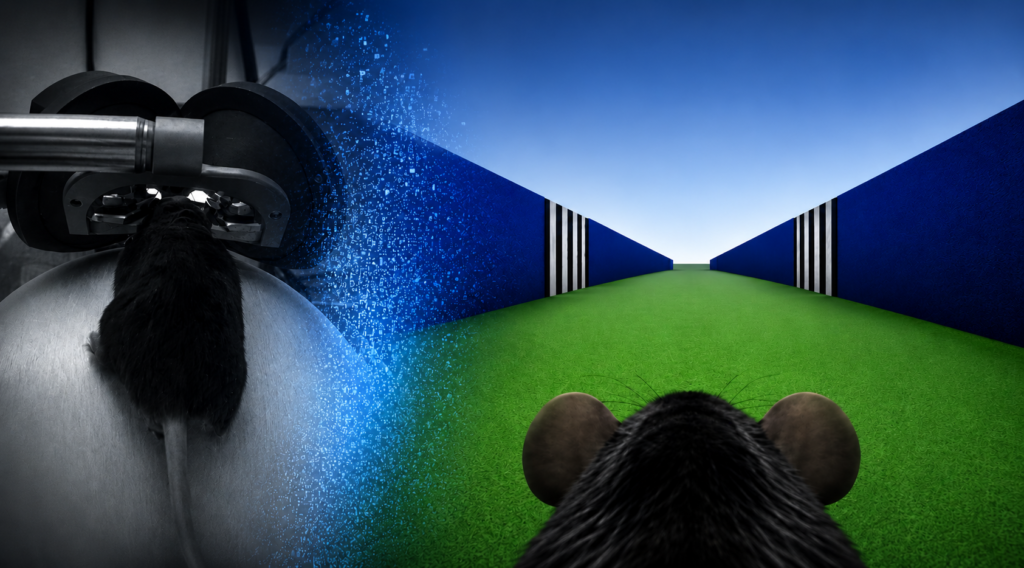
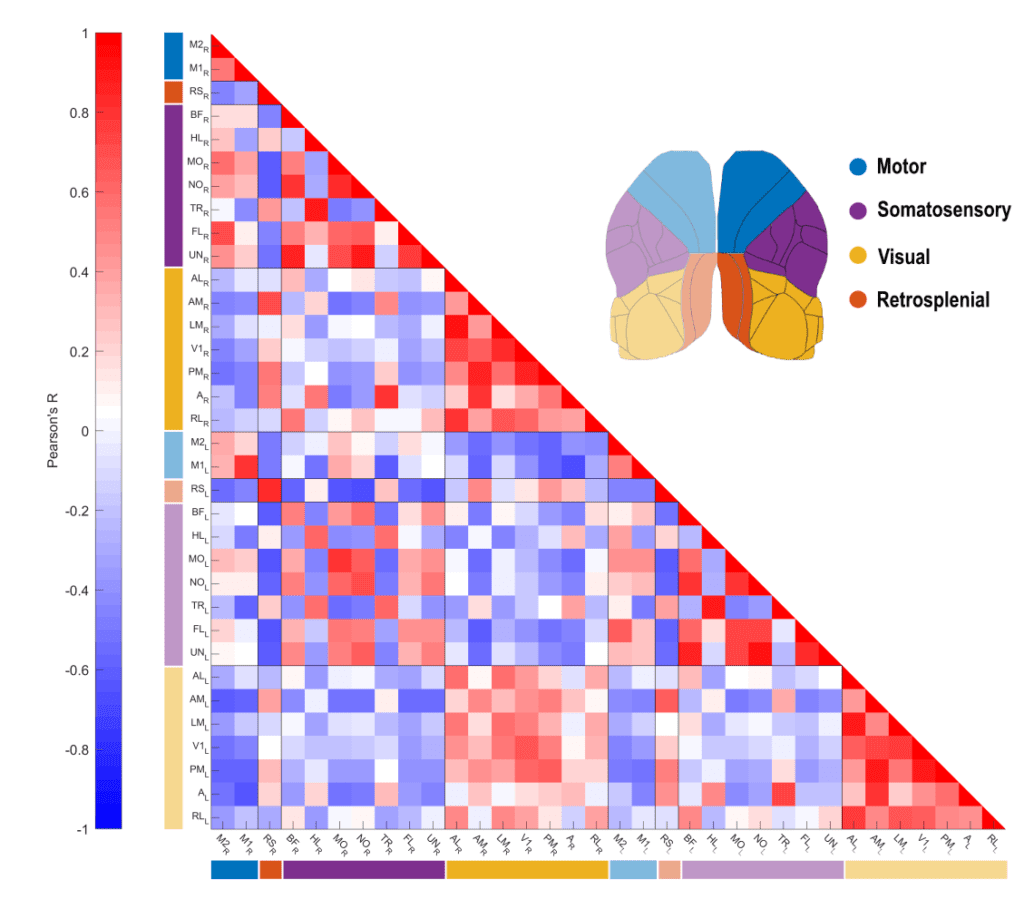
The mouse cortex is a complex structure segmented into distinct regions, each specialized in processing sensory information, motor planning, execution etc. These functional modules are highly interconnected and work together to allow the animal to interact with its environment and drive behavior. Different behavioral contexts can significantly influence how these cortical regions process information and interact with each other. For instance, during locomotion, areas linked to motor control are activated to fine-tune limb positions due to obstacles in the environment, while sensory areas such as the visual cortex prioritize processing features that are more salient during locomotion (Schneider 2020). Understanding the dynamic interplay between cortical areas and behavior is crucial to comprehending how the brain processes sensory information and drives behavior.

Cortical Dynamics in Mouse Behavior Using Widefield Calcium Imaging – Part One Read More »

Adjusting the focus depth to enhance image quality of Red channel

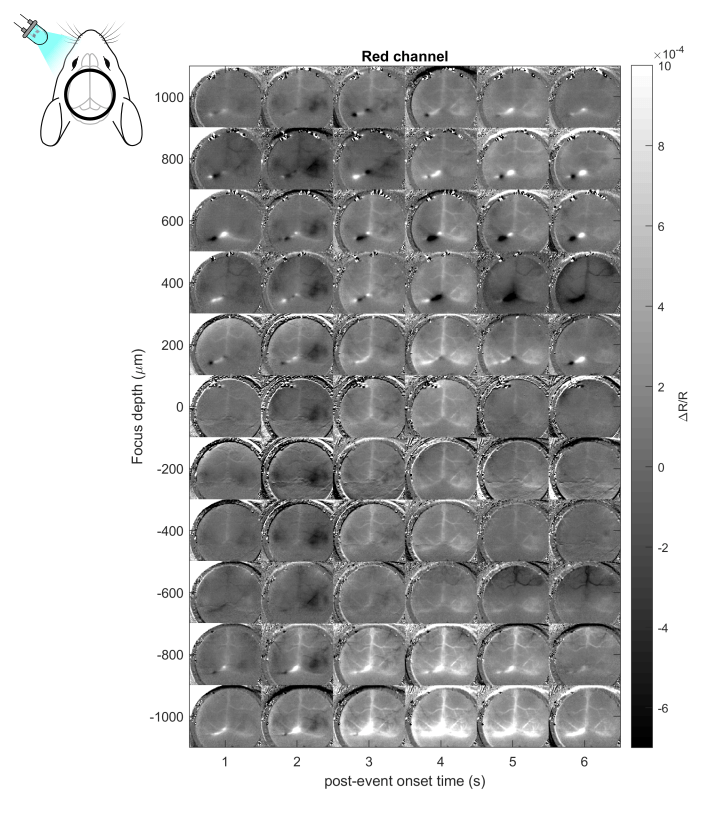
Can We Adjust Focus to Enhance Optical Imaging Signals?

Optical imaging of intrinsic signals (OIS) has been around for almost 40 years now and it is part of the basic portfolio of technologies available to neuroscientists today. This versatile technique measures small changes in light absorption that occur in the brain tissue in order to assess its function. The signals measured in OIS are primarily related to changes in blood volume and oxygenation of the brain tissue.

Can We Adjust Focus to Enhance Optical Imaging Signals? Read More »