Designing and Coordinating Mouse Behavioral Experiments with Maestro
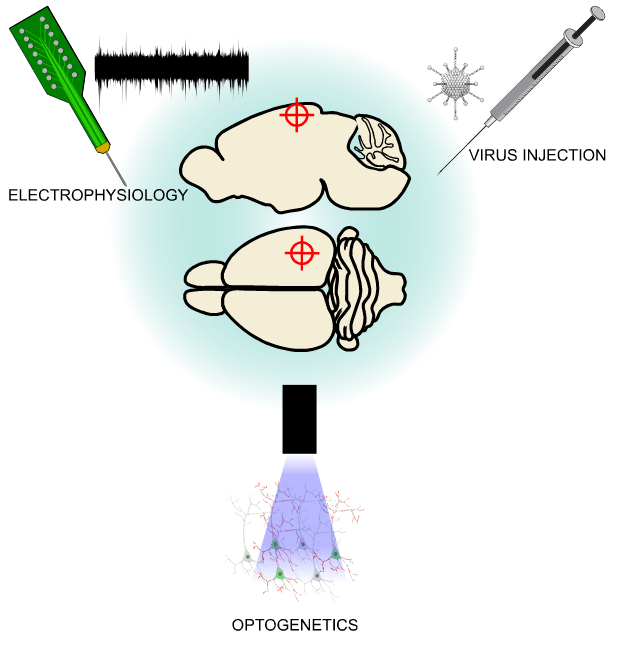
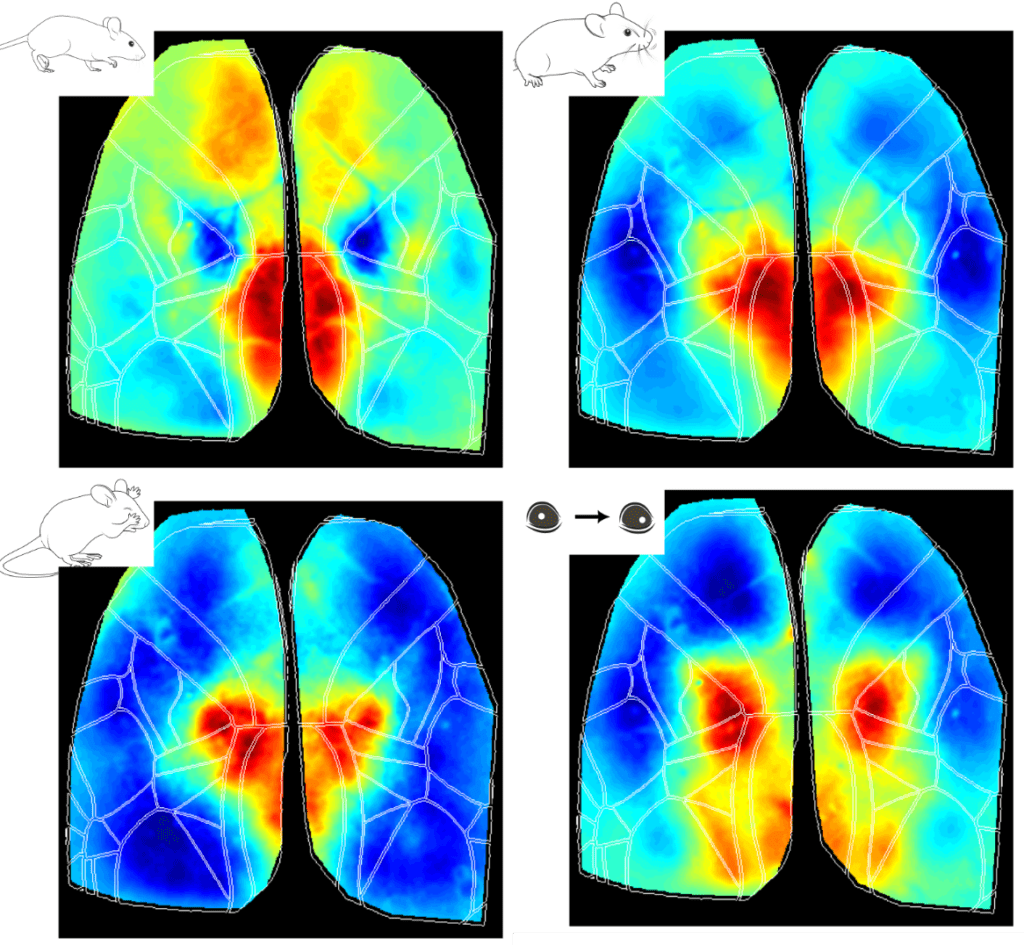
Behavioral experiments have become an integral part of the methods used in neuroscience to investigate both normal and pathological brain function. A wide range of behavioral protocols has been developed to assess distinct aspects of neural processing, including attention (Wang et al. 2026), working memory (Cleal et al. 2021), and decision-making (International Brain Laboratory et al. 2021).
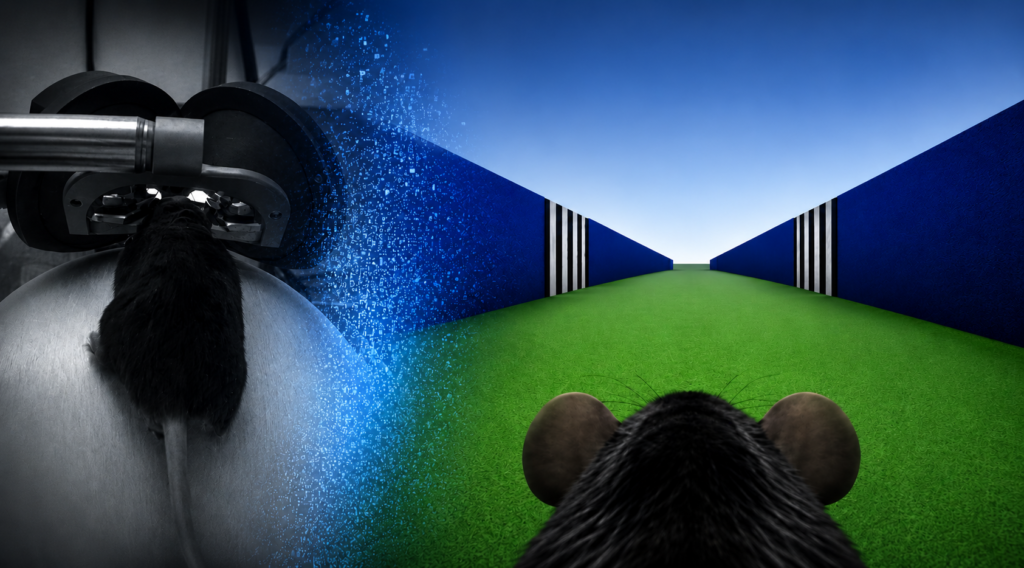
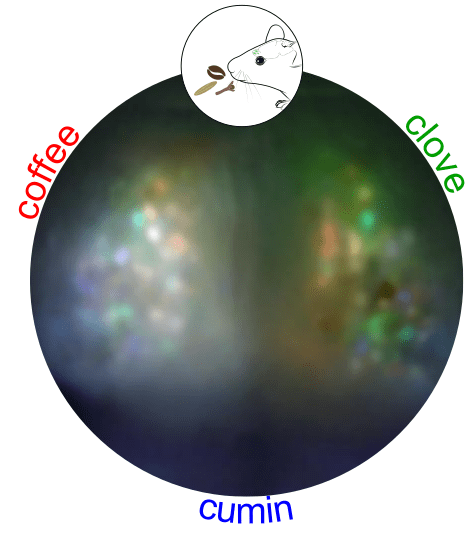
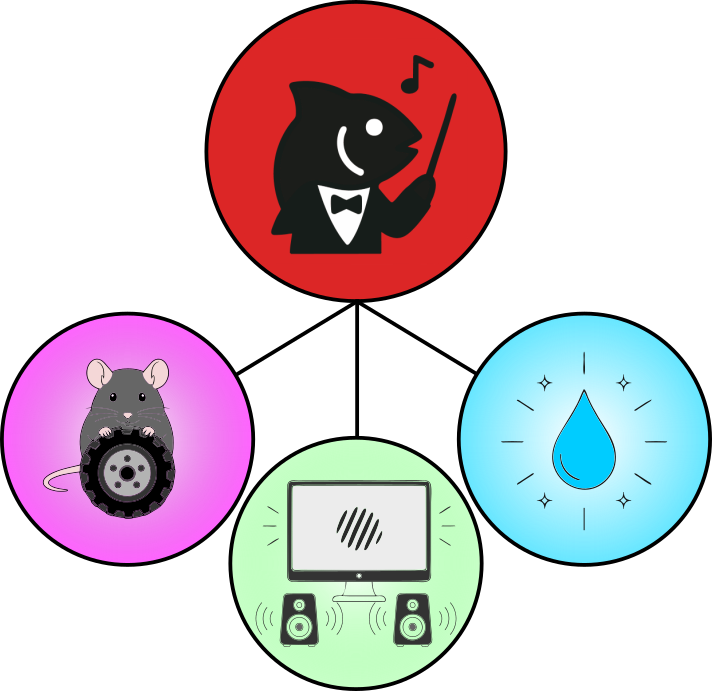
Animal behavioral experiments commonly rely on three main elements: sensory input, motivation, and response detection. By varying what is presented to the animal, how the animal is motivated to perform a task—through reward, punishment, or avoidance—and how its response is measured, researchers can investigate different aspects of sensory processing, decision-making, and motor execution.